

Fall is now in the midst with winter just around the corner. For many with yards, it has become a time of clean-up and putting things ‘to bed’ before the cold weather strikes.
A new recognition is emerging however, and that is to leave plants, seed heads, leaves, etc. alone to become winter homes for needed pollinators such as insects.
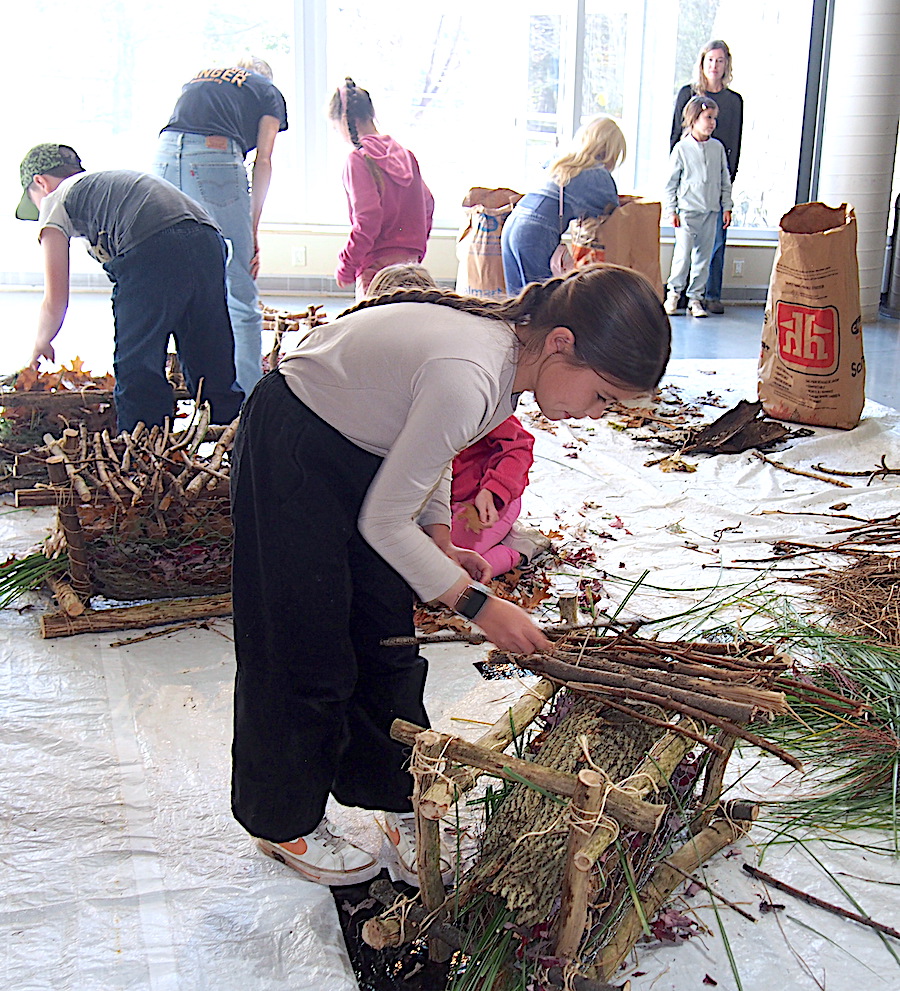
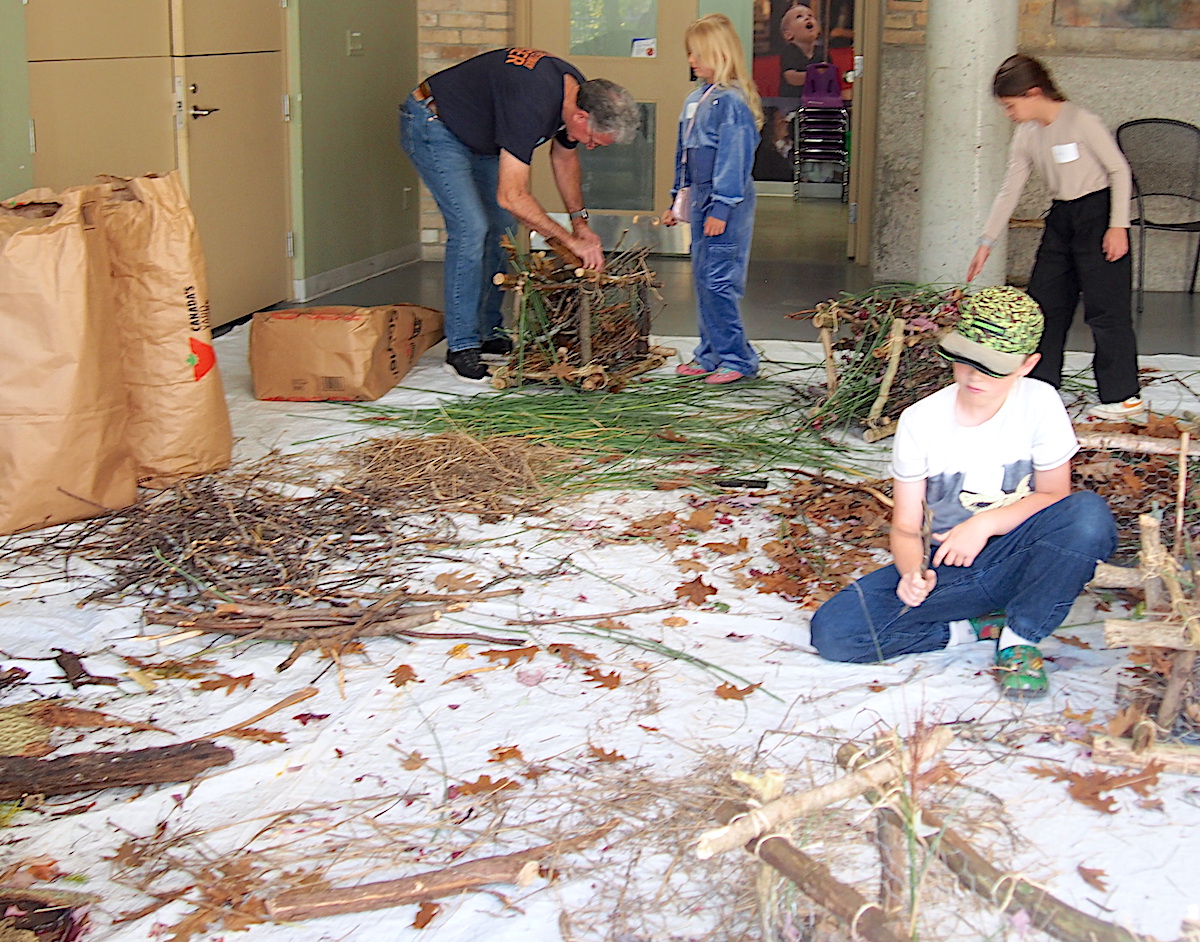
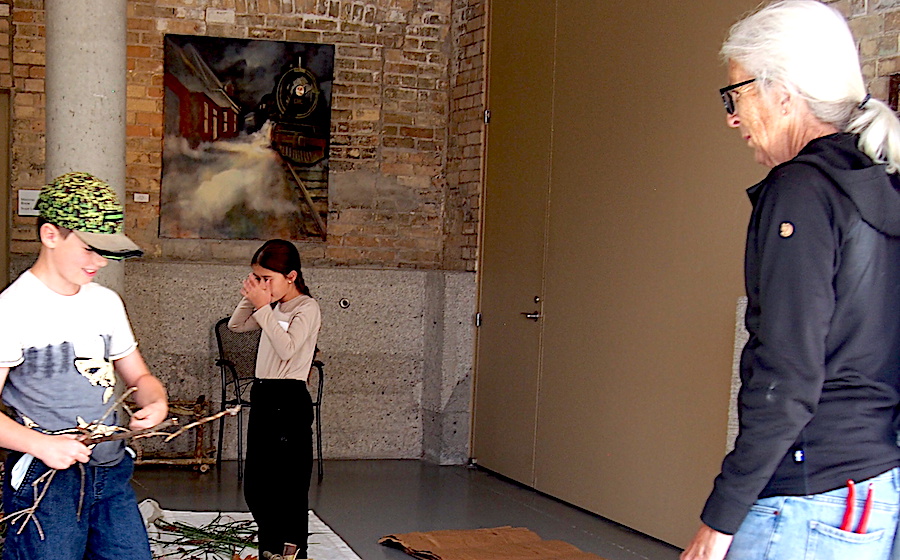
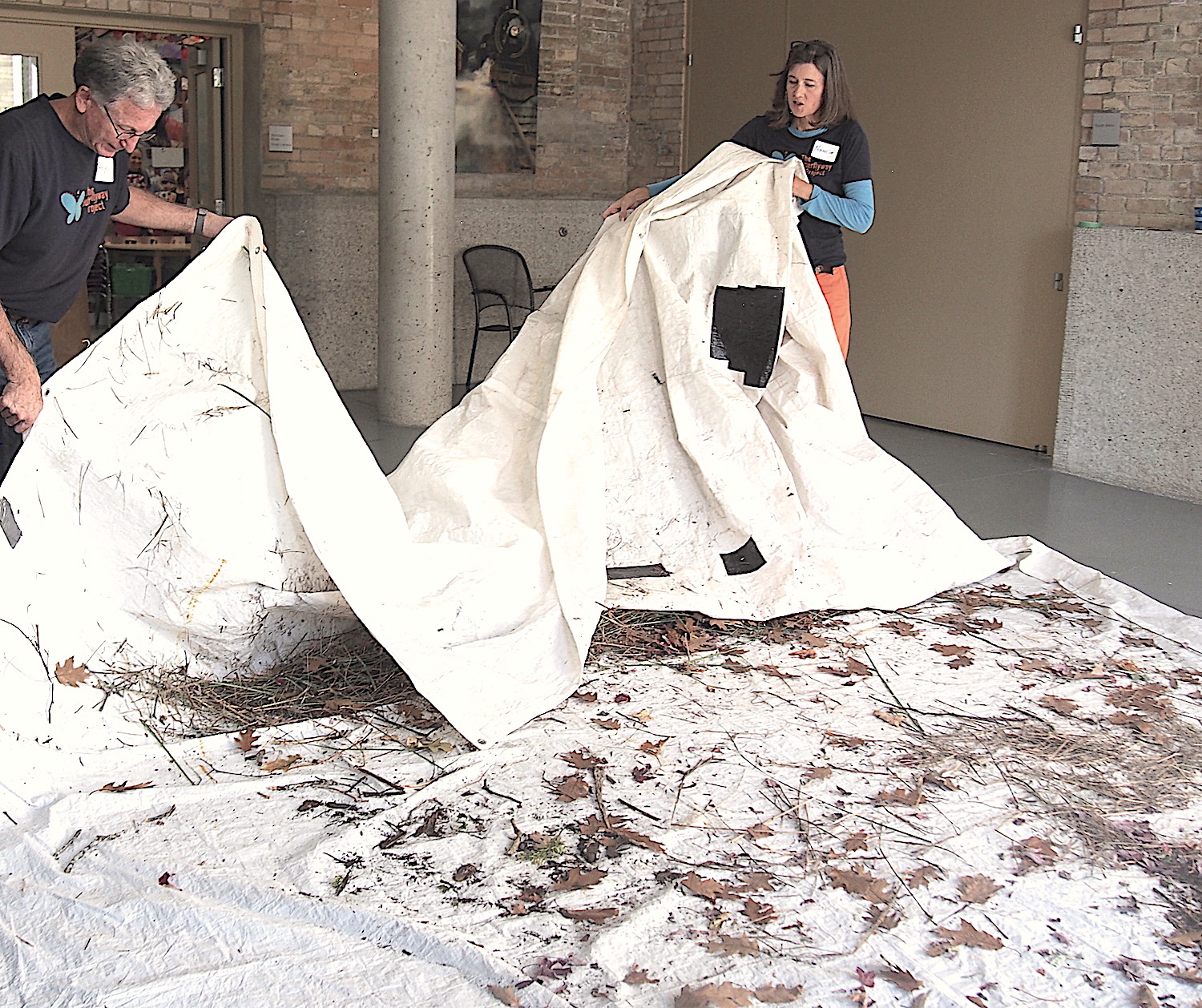
Bruce County Museum and Cultural Centre, always on the cutting edge when it comes to programming for young people, recently hosted a ‘dead hedge’ building class. It was a chance for young people to learn about how to create a ‘dead hedge’ from scratch so that the insects that visit their yards will have a safe, cozy home for the winter. It was a fun-filled, interactive workshop with kids also learning about seed packets, insect vision, learning about important plants and more.
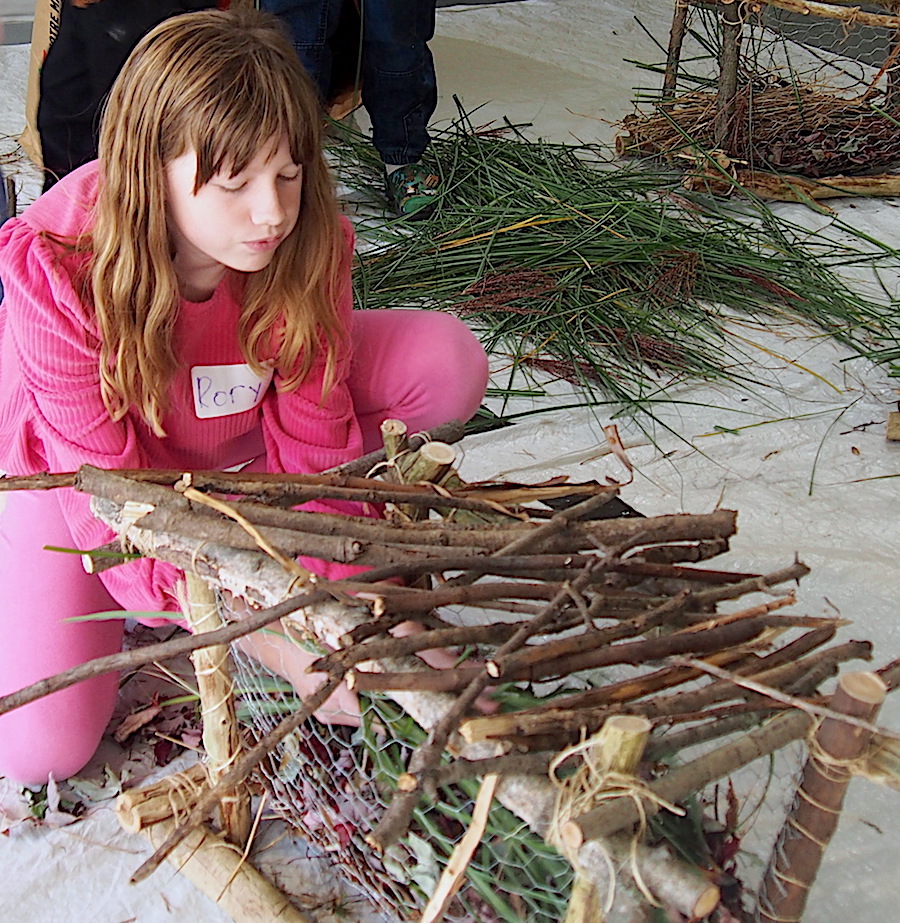
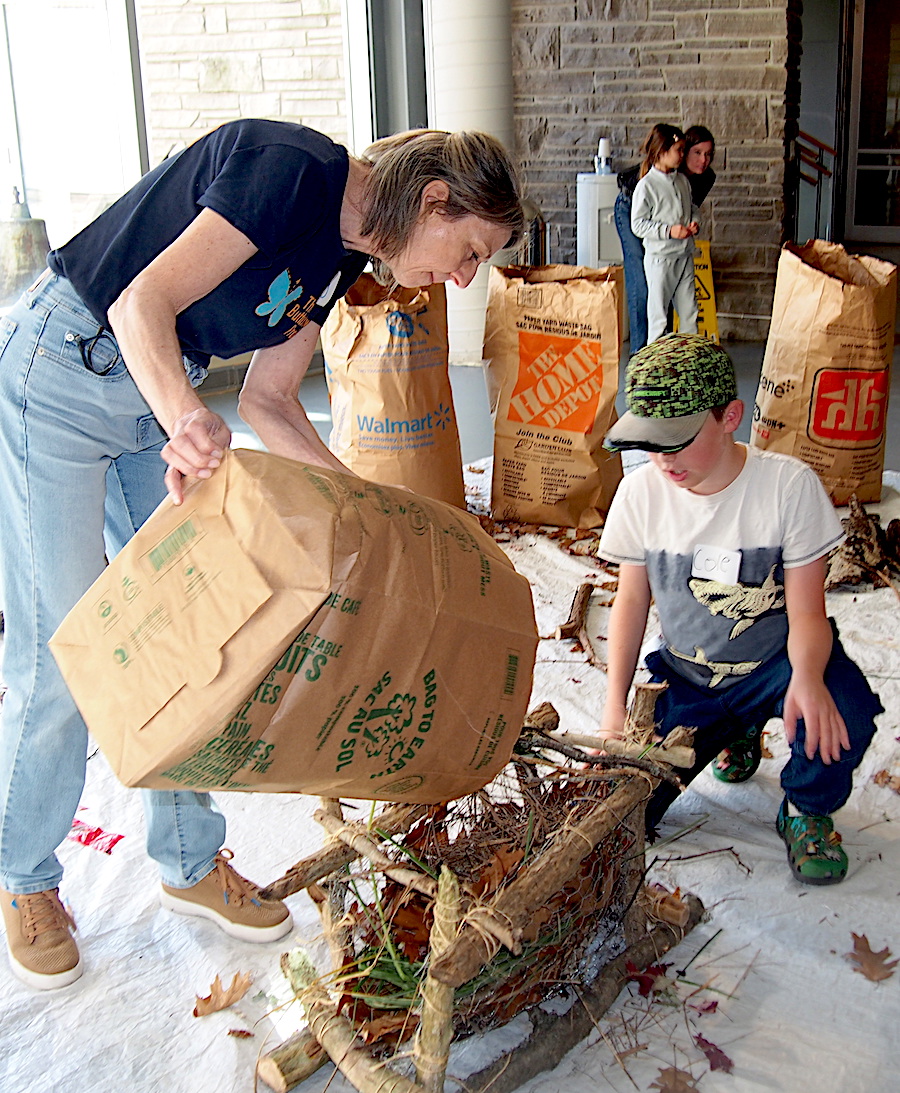
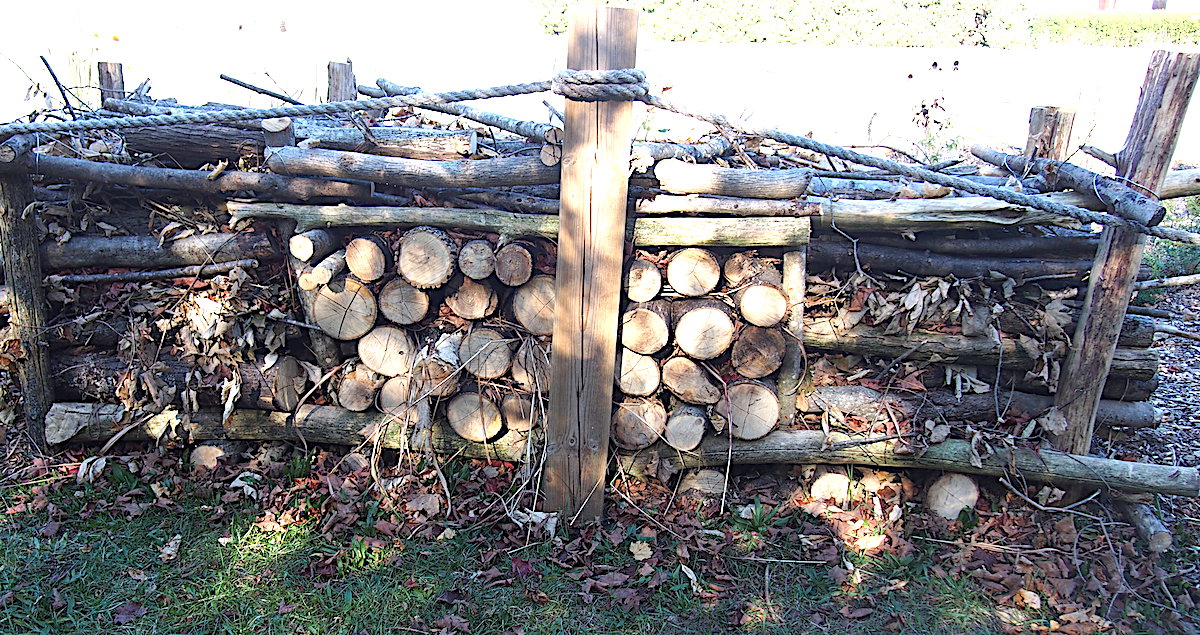
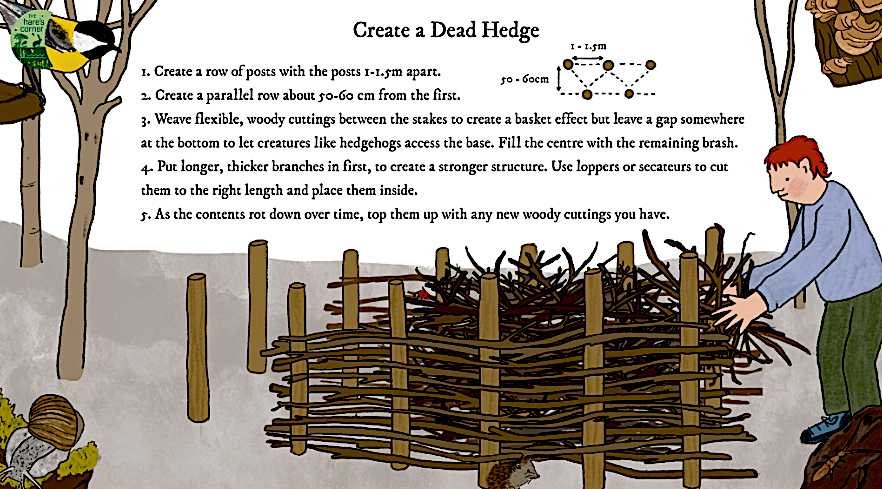
What is a dead hedge? It can have two purposes – act as a fence and a nesting habitat for beneficial insects. Dead wood is an entire ecosystem for a wide variety of insects and frogs who use is it for shelter.
According to The Hare’s Edge, it is not difficult to build a ‘dead hedge’, and was the plan used by the ssbutterflyway organization in Saugeen Shores, who recently instructed the class at the Bruce County Museum.
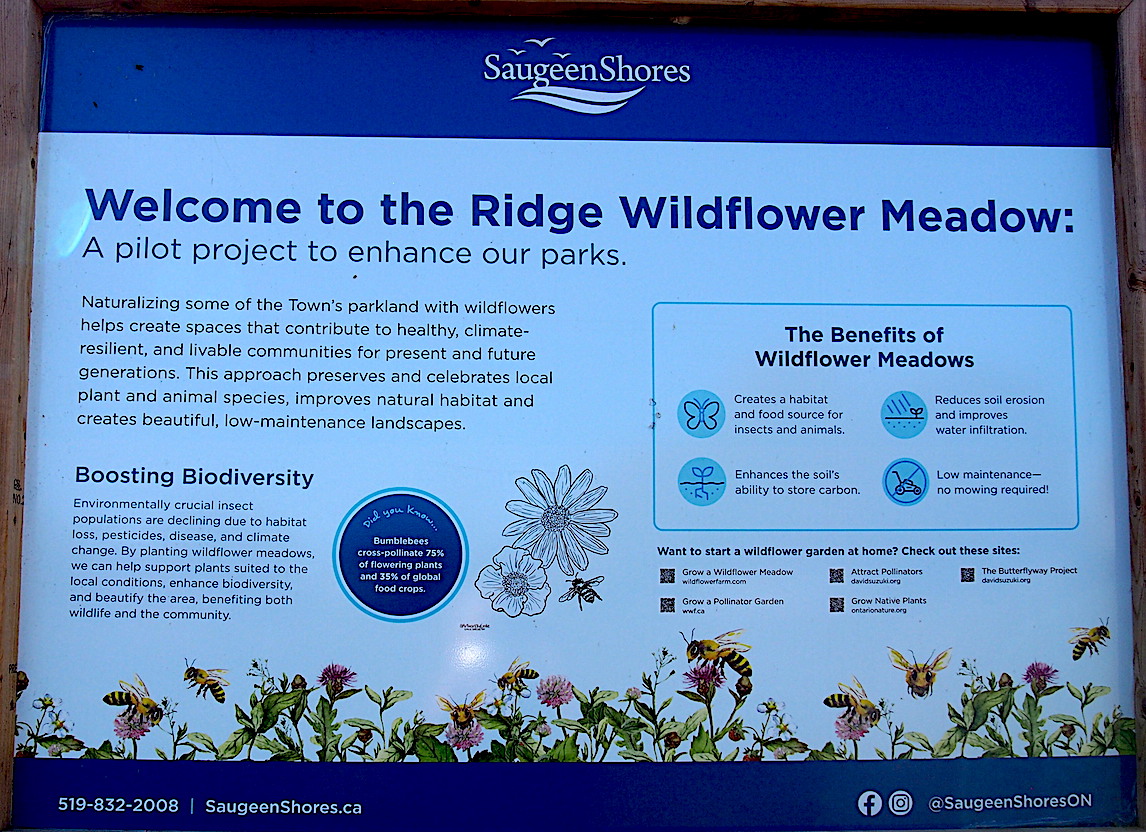
In Port Elgin, The Ridge Wildflower Garden was created as a pilot project in collaboration with the Town of Saugeen Shores.
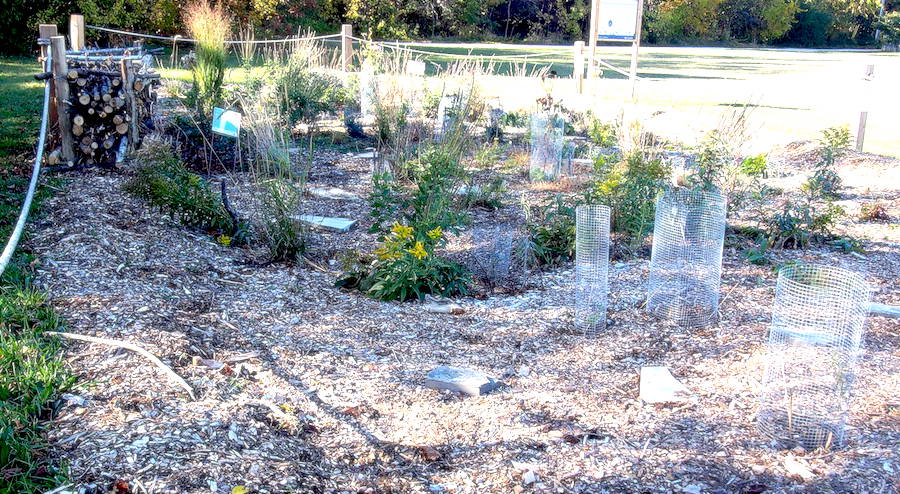
Recently, a major dead hedge was added to the garden to encourage pollinators to set up habitat.