


On Friday, June 19th, Royal Canadian Legion Branch 340 honoured veterans with a special celebration – The Veterans and Caregivers Dinner.
As the world heads into the 25th Anniversary of 9/11 and the Iraq War, veterans and their partners or caregivers were invited to an evening honouring veterans from all excursions where Canadian forces have served, including recent veterans from Afghanistan.
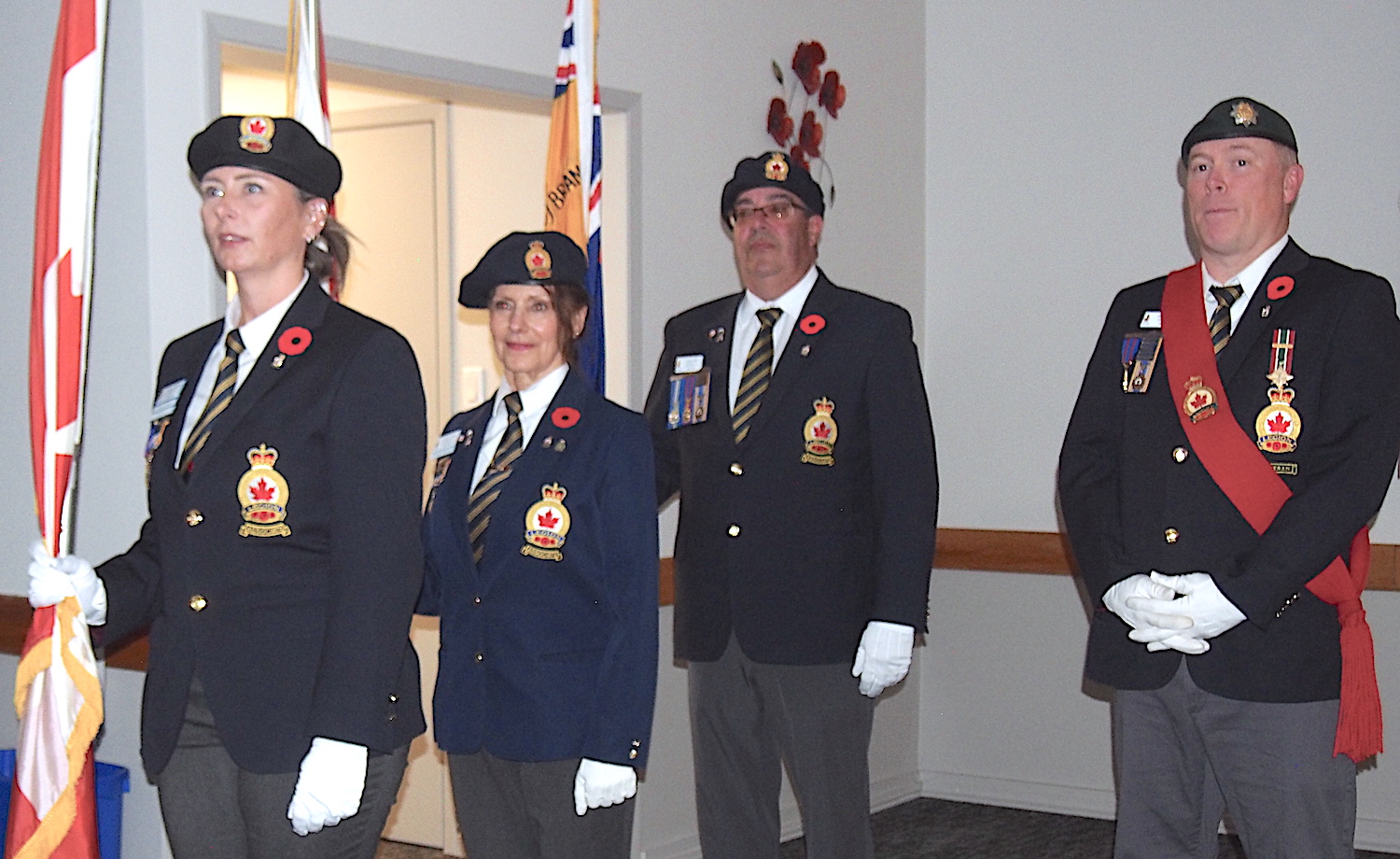
Before dinner began and prior to a toast to fallen comrades, Branch Sgt.-at-Arms, Mike Hobson, explained the symbolism behind a special round table and its decor. “The table is round showing ever-lasting concern, the white tablecloth represents the purity of the service personnel’s motives when answering the call of duty, a single red rose reminds us of the life of each fallen comrade and the loved ones and families who keep the faith, the vase is tied with a single red ribbon symbolizing our determination that we will never forget our fallen comrades, a slice of lemon reminds us of the bitter fate of those who will never return, a pinch of salt indicates the tears endured by the families of those who have sacrificed all and the chair is empty as they are no longer with us. We knew them, we remember them and they will not be forgotten.”
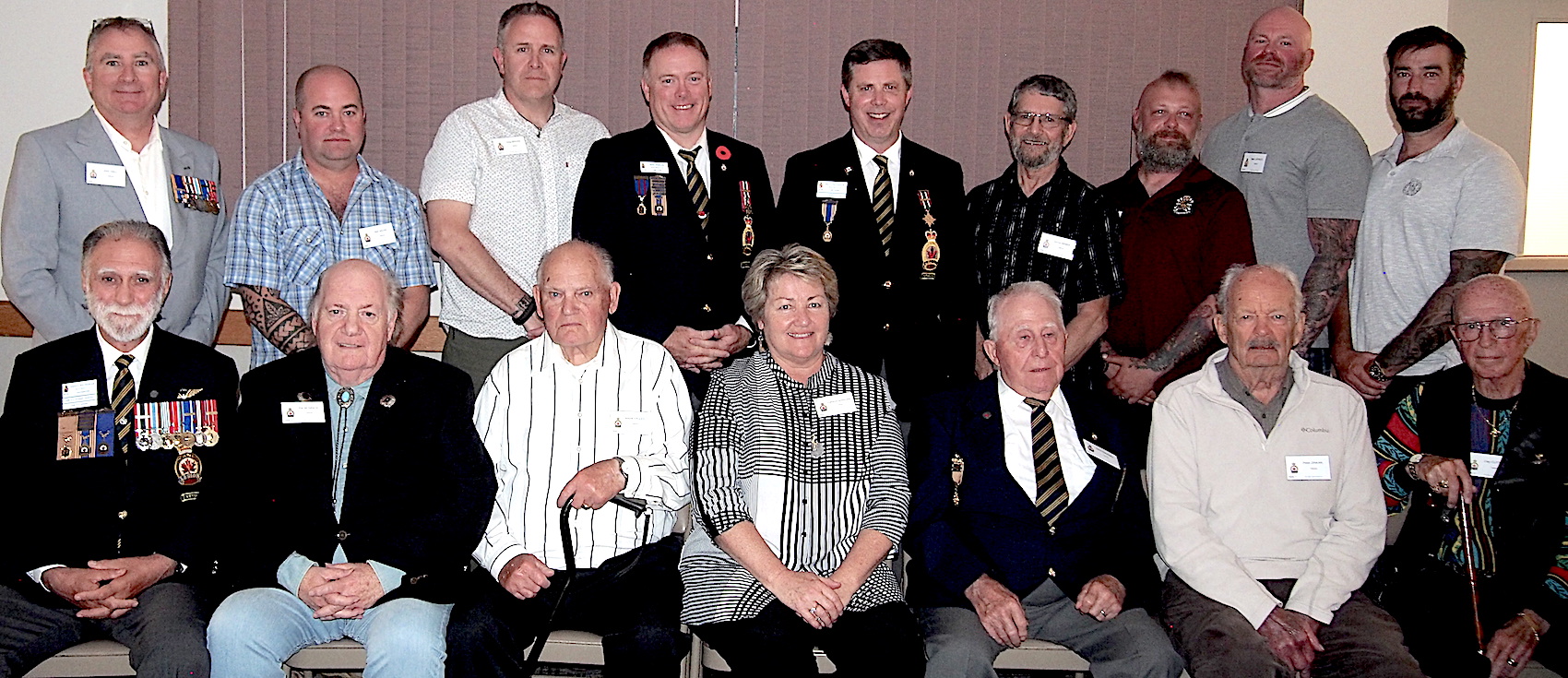
“It is an honour to see veterans in the room who have dedicated their lives and their families who have sacrificed while their loved ones have been away. It is a challenge not just for the soldiers but for their families,” added Hobson. “Remembrance Day is our day and we tend to use it as a beacon to bring us all together, but it’s all year long and we need to remember those sacrifices, friends and the families. Tonight is a good example of that and it’s an honour to be in the room with these veterans. It is truly humbling.”
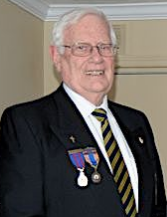
Reverend (ret’d) and past Branch Padre, Chuck Beaton, gave the blessing and grace before dinner saying that is has been “… quite some time since we have had a veterans’ dinner and I am glad and delighted that we are here.”
In keeping with the theme of the Afghanistan veterans, the meal featured an Eastern menu buffet with delicious curried vegetables, chicken and rice while Eastern music played in the background.
Among those recognized were Janice Pepe, Veterans’ Service Officer, whose role is to help veterans access services. In addition, Barbara Patterson, wife of Matthew Patterson newly elected as Branch President, was also recognized.
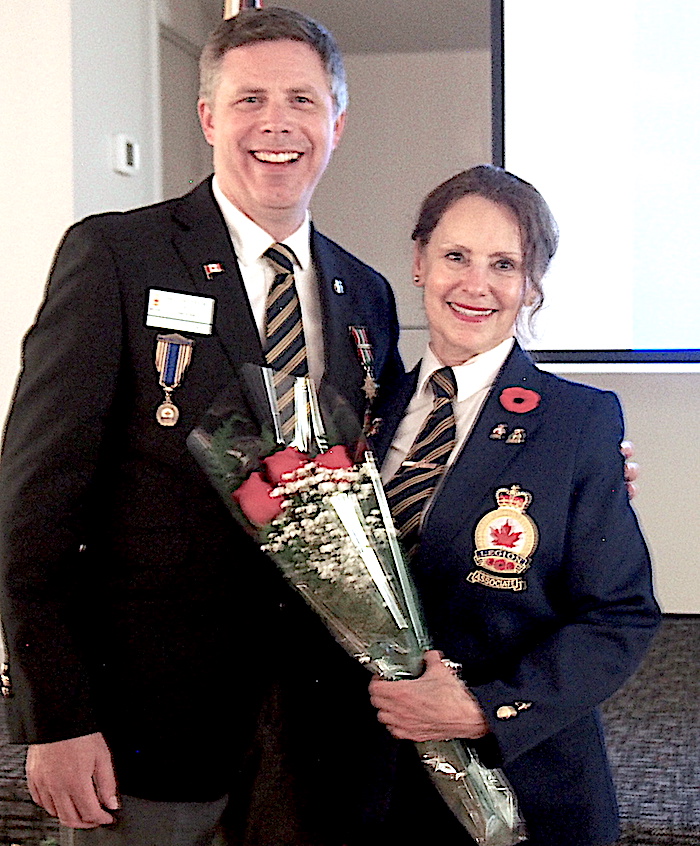
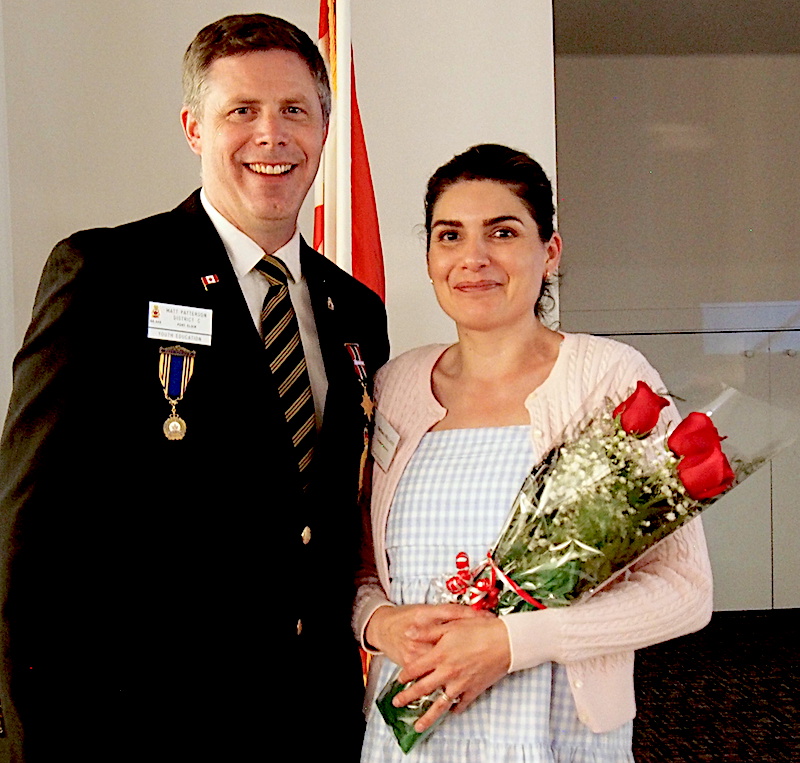
Guest speaker, Matthew Patterson, who is today a teacher, was invited to tell the story of his tour of duty in Afghanistan, with a sobering presentation that included many slides.
“I will share my story and what I went through, knowing that every veteran has a different story,” said Patterson. “It began in 2001 when I was in my second year of University and decided I wanted to join the Army. In my third year, I joined on September 10, 2011, the night before the Trade Centre was hit. I watched on television as the second plane hit. The following day, I was called up and given the choice to leave the service. I said no way … I’m staying.”
In 2002, the Canadian government poured millions of dollars into the military and, during training, he took every course that he could and then was told he was going to Afghanistan as part of Operation Athena. “At the time, Bush Jr. was President of the U.S. and Chretien was Prime Minister,” said Patterson. “The U.S. had placed a 40 per cent tariff on Canadian softwood lumber. We were told that, if Canada would take over the combat role so that U.S. soldiers could go to Iraq, then the softwood lumber dispute would be resolved. Don’t know if that’s true or not but that’s what we were told and that’s what happened.”
He explained that, in 2004, Afghanistan held its first democratic election and that angered the Taliban, who had come into power following the exit of the Soviet Union, and it was in December of that year that his unit, the 3rd Battalion Royal Canadian Regiment was deployed to Afghanistan.
Some of the situations he highlighted, gave those in attendance a more in-depth understanding of both the history of Afghanistan and Canada’s eventual role.
“My main role was reconnaissance doing patrols and gathering intelligence, in Kabul or just outside Kandahar. “In Kabul, the population was one million and, then two million refugees came in from Pakistan and the city jumped from one million to three million people almost overnight and the problem was infrastructure,” said Patterson. “Water was the main issue.”
“Since 1973, the Afghans had been fighting a war and our number one threat were car bombs and it was the number one reason for our casualties.”
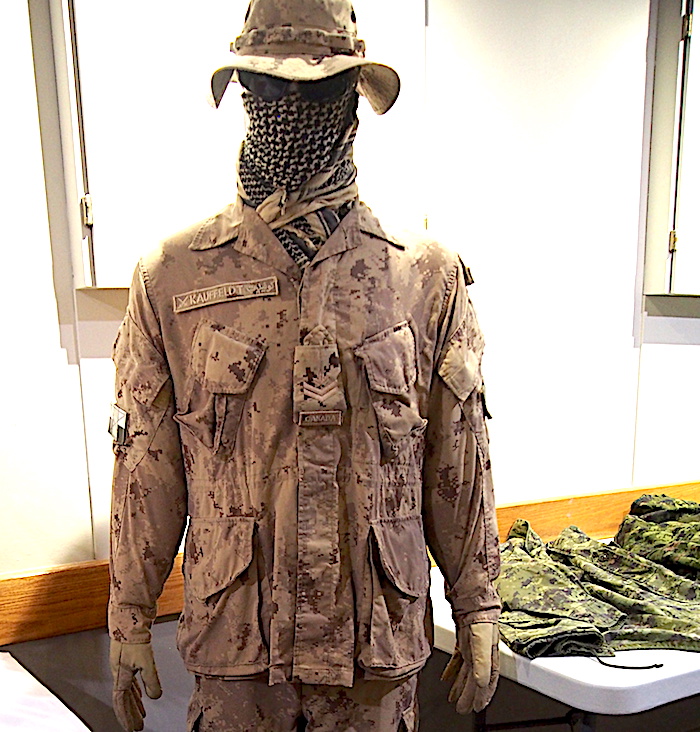
“There are thousand of caves where people lived, not terrorists but just locals, and we did a lot of patrols there which were very interesting.
Where we were stationed, at Camp Julian, there was the former king’s palace on one side and queen’s palace on the other, both of which would have been beautiful with gardens, marble floors, artwork and statues but they were in complete devastation after bombing destroyed everything.”
“Four weeks from going home, we were given a night shift at Camp Julian, where more than 2,000 people were sleeping, but on May 4th two gunman broke into camp and the counter-intelligence building. I was ordered to shoot anyone who was strapped with a bomb. We went in and a young boy threw his shirt open and I saw that he had no bomb. I looked into this young boy’s eyes and detained both him and the other that we found. We went to his father’s house where there was an arsenal of weapons and then to his uncle’s house where there were bomb-making materials.”
The law was changing and, while the younger women were taking off the burkha and westernizing themselves, the older women retained the tradition. Under the Taliban however, the law again changed and girls can no longer go to school or work and can not go anywhere without a male chaperone, even if it’s a young boy or son.
Remember his tour, Patterson pointed out that, “From 250,000 students going to school, by 2006, that number jumped to six million and one million were girls. One of our (Canadian) greatest transitions was that girls were able to go to school and women went to work even holding positions in the government and at university. It was an entire change in philosophy and, to me, that was my tour’s greatest accomplishment.”
“My reason for signing up? I needed to see and understand why I live the way
I do and others have to live the way they do. I thought, if I can make a difference that’s what I want to do and, if I can’t make a difference, at least I tried. The Taliban is again in power, women are no longer able to work, girls cannot go to school … but at least we gave a generation an opportunity to know what freedom is like.”
“It’s not easy to get up here and talk about this,” said Sgt.-at-Arms. Hobson, “but we have to continue to get that message out there. Mental Health is important and we tend to normalize some of these things, rationalize them, not talk about them and keep it in our heads but, if you need help, ask for it.”
Port Elgin Legion Branch 340 has memorabilia items on display and the public is invited to come in and explore them.
In addition, anyone can become a member of the Royal Canadian Legion, whether you have a military affiliation or not. Being a member of the Legion is about giving back to the community from raising funds for bursaries for students, helping veterans, providing funds for local endeavours such as the hospital or helping with the Poppy Campaign. For more information, visit https://www.portelginlegion.com/ or legion.ca/join or call 519-832-2903 or drop in at Branch 340 on Gustavus St. in Port Elgin.