
I was thinking this morning about the history of “making/getting ice” in our community of Southampton.
You are probably asking, “Why would he be thinking of that?” Well, this is why.
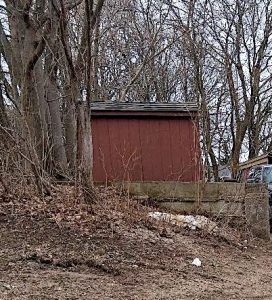 Last week, I twice drove east on Clarendon Street, and four doors up from Victoria Street, on the north side sits a large concrete foundation with equipment stored in it. Some of us will remember when it was our last ice storage house before the days of “refrigeration”.
Why was it there? Well, for many decades, after our town was founded in 1848, ice was cut from Little Lake (now Fairy Lake) and stored in ice storage houses like this one, close by the Little Lake. This was a critical necessity of the fish industry, and the residents. Sometime, around 100 years ago, some intelligent chemist determined that the Little Lake was so stagnant, with virtually no movement, that the water, and consequently the ice, was not fit for humans and should not be in contact with food, i.e. Fish.
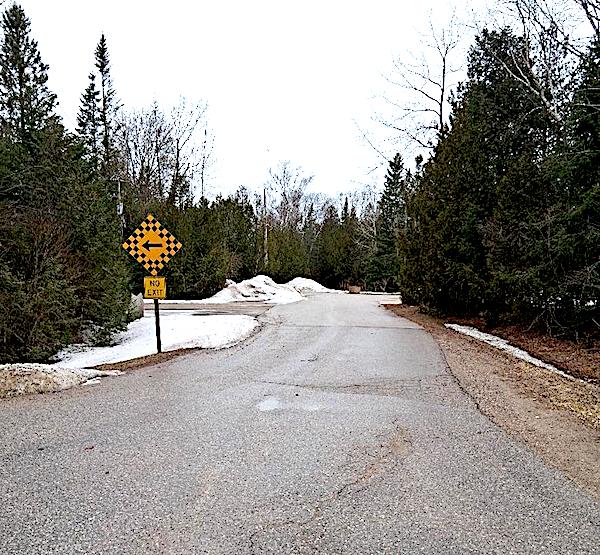
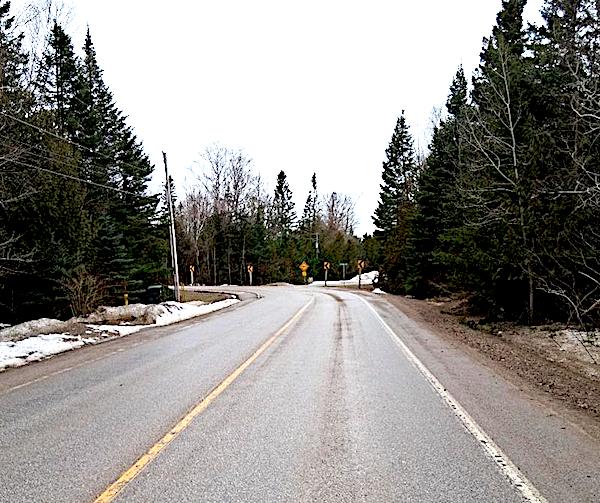
So, where would the ice come from? The best landmark that I can give is at the first bend heading south on Huron Street. After passing South Street, a couple of hundred yards further along, there is a sharp left turn. If you did not take the turn, you can see a clear spot down to the bay right there. That is the spot where, for many years, before the 1960s, ice was harvested for both the fishing industry and for residents, and for hundreds of tourists with ice boxes in their cottages and cabins.
For larger view, click on image
@ Bdingman
| Dreamstime
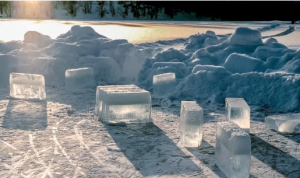
On some Saturdays in January and February, groups of men and young teenage boys, like I was, would be on the bay cutting and loading the ice for storage in the ice houses on Clarendon Street. The men cut the ice, and we boys would pike-pole it to the loading area where the men would pull the blocks up planks onto flatbed trucks. This went on all day Saturday for 3 or 4 weeks. I recall getting $2 for the day, which was good pay when the movie was $0.15.
Meanwhile, on High Street, where Seaman and Sons have their office today, stood the refrigerated cold storage for residents, run by Happ Rogers. There were a few hundred stacked 4’ x 4’ boxes with screen doors and padlocks, four high with ladders to get to the higher ones. In the boxes would be the butchered quarter of beef and half a pig, plus a few chickens purchased from local farmers and butchered in shops on High Street. Mom would give me a list of what she wanted for the next week. Everything was labelled and I would bring the bag home and put it in the icebox.
In time, refrigerators and food freezers arrived. It was big business for a few years at Doran’s, and Matheson’s Hardware stores. The modern appliances were all the rage!
Evolution, automation, and innovation.
Refrigeration; Remarkable changes, all in a Lifetime!