
by John Matlock
Nearly 90 years after Port Elgin boatbuilder Adam T. Cairns launched the tour boat RESTLESS and began carrying visitors up close to Chantry Island, his granddaughter returned to those waters with her own family. And they didn’t come empty-handed.
Faye (Cairns) Vervenne, her husband Bert and family members recently travelled from Milton to Southampton to board the modern-day tour boat Peerless II for their first visit to the historic Lighthouse and Keeper’s Home.
Following the journey that her grandfather helped trail-blaze, Faye and Bert donated one of Adam Cairns’ treasured workshop tools to the Marine Heritage Society — his drill press, complete with accessories and original manuals.
The machine had been preserved, maintained and used by the Cairns family for generations.
Early Tourism
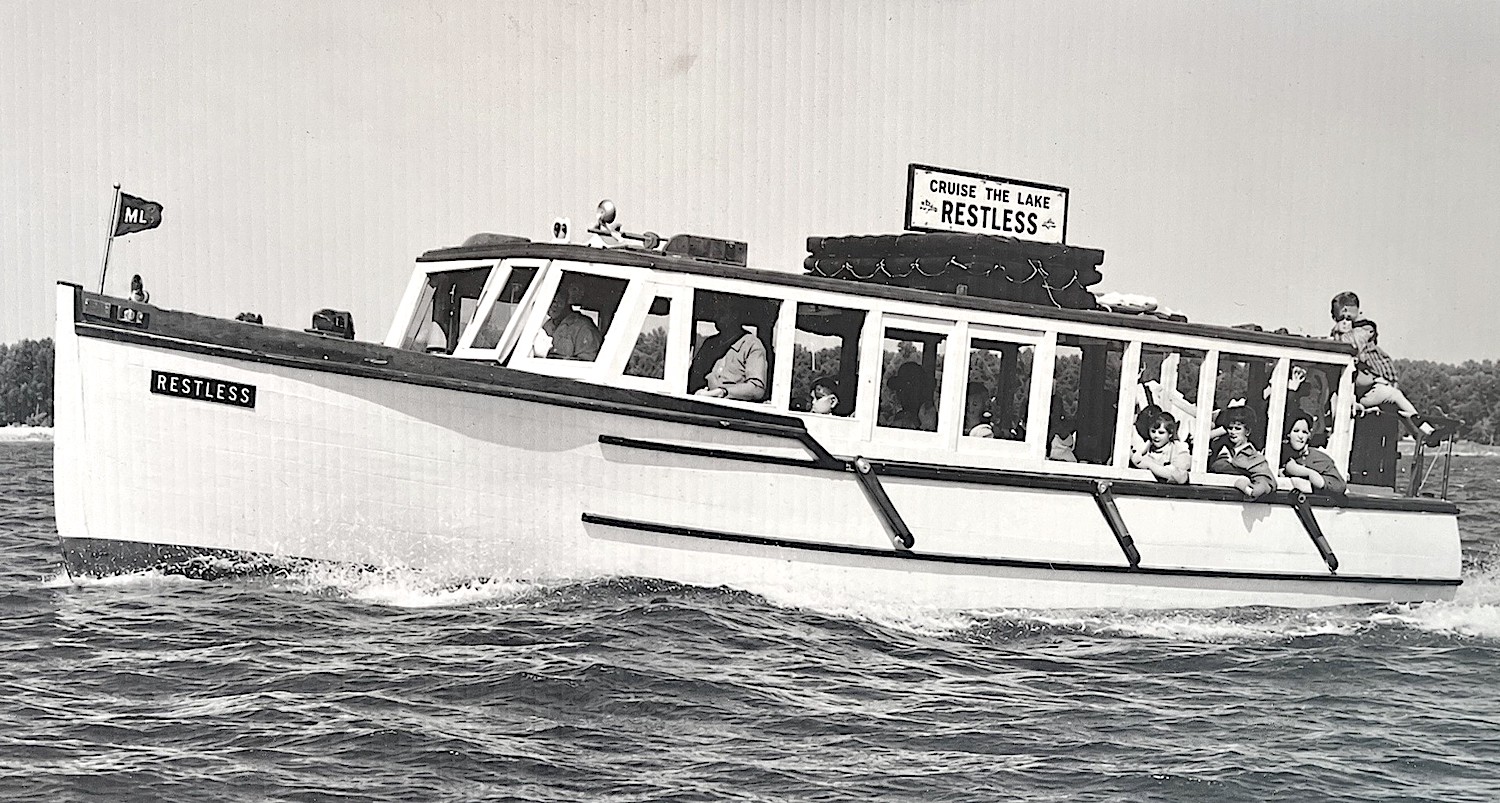
In the spring of 1937, Cairns completed the 30-foot passenger vessel RESTLESS in his Gustavus Street workshop in Port Elgin. The vessel was launched with Cairns as captain and George M. Mackay as co-captain.
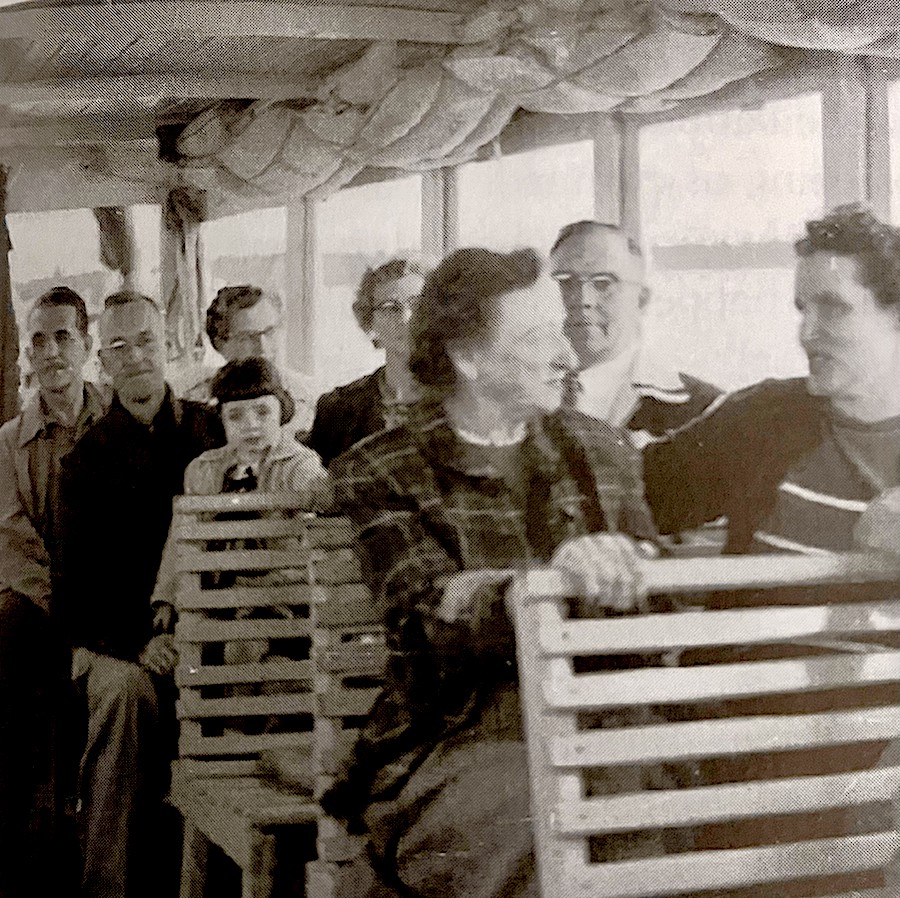
Historic photographs capture what followed: curious children peering from the windows and happy families filling the passenger cabin.
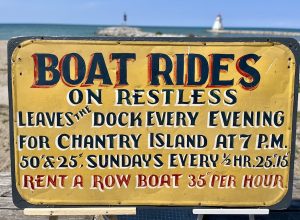 A surviving hand-painted sign advertising the excursions offers an even more direct glimpse of the era: “BOAT RIDES ON RESTLESS — LEAVES THE DOCK EVERY EVENING FOR CHANTRY ISLAND AT 7 P.M.”
Together, they are a remarkable reminder that generations before today’s Chantry Island tours, Cairns was already taking summer visitors from the shoreline out toward the island.
Handcrafted Heritage
The RESTLESS was a product of local craftsmanship, using traditional boatbuilding techniques and local materials, including rock elm for key structural components.
The hull took shape piece by piece, with moulds establishing its form before the keel, stem and structural members were fitted. White pine was used for the planking.
The finished vessel measured 30 feet long with a beam of eight feet four inches. Its original passenger accommodation was relatively simple, with improvements following over the years, including the replacement of weather curtains with windows.
As the tour boat evolved, some of the Gustavus Street workshop tools remained constant. Among them was a trusty drill press — itself a quality piece of Canadian manufacturing. Bearing the “Canadian Buffalo” name, its roots trace to an operation established in Montreal in 1903 before moving to Berlin, Ontario — later renamed Kitchener — and becoming Canadian Blower & Forge Co. Ltd. Markings on the heavy drill press identify Kitchener as its place of manufacture.
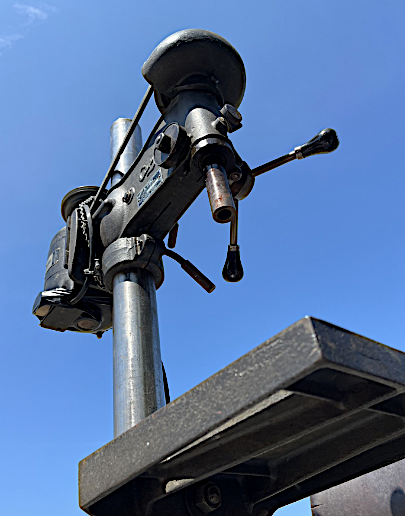
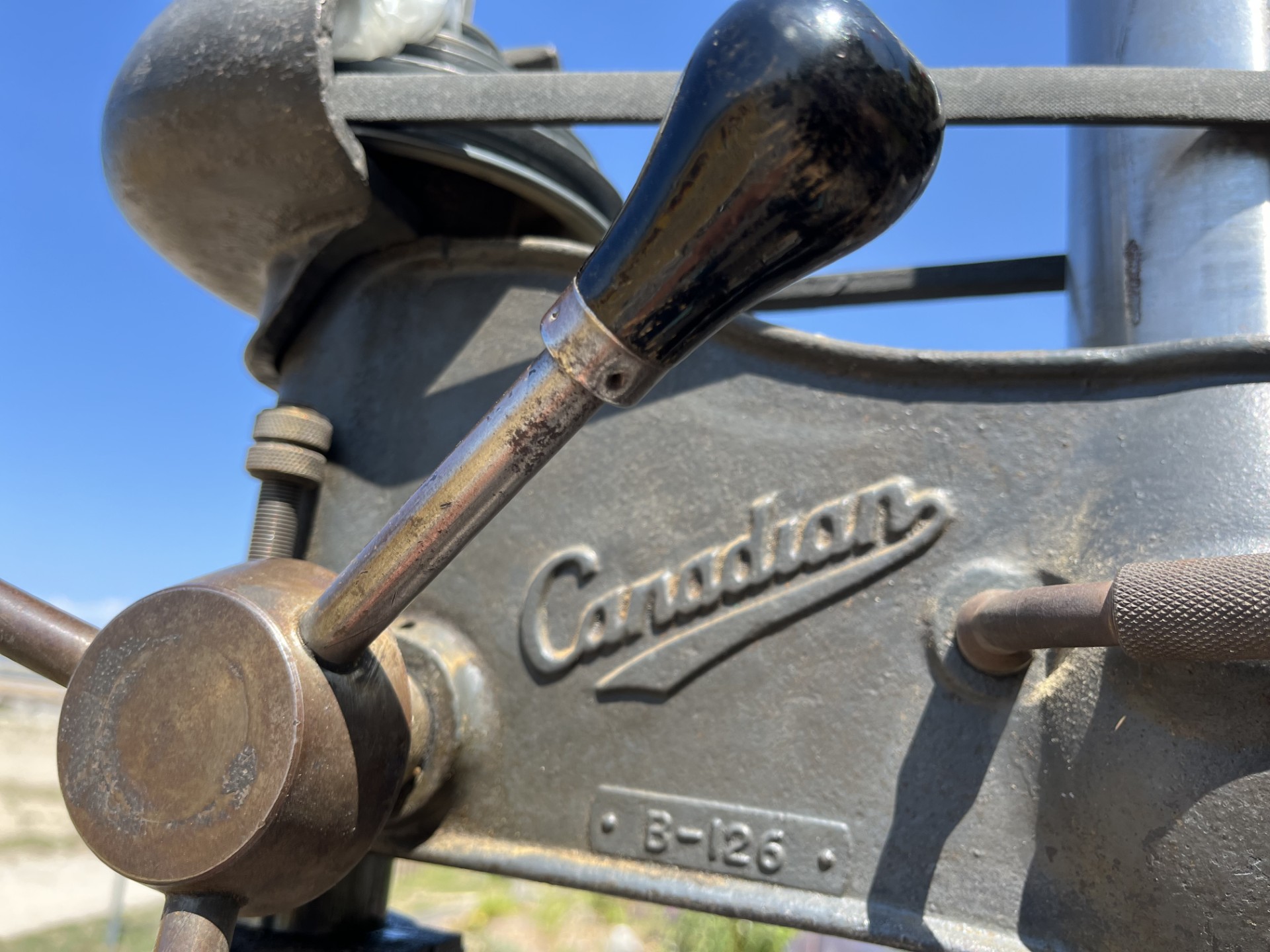
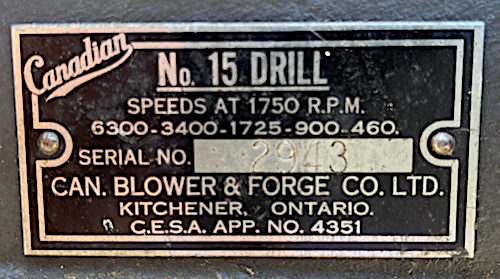
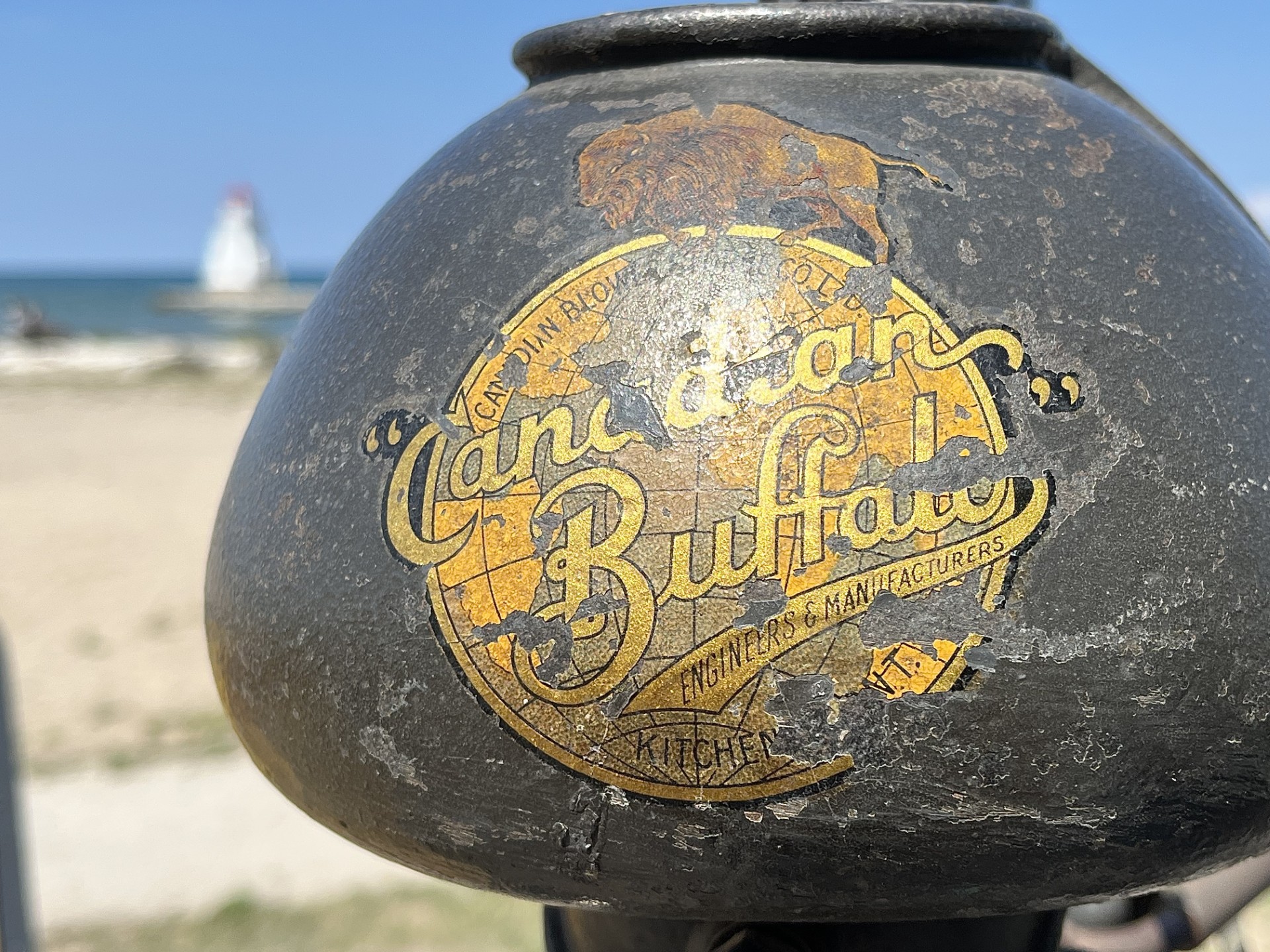
Cairns’ tools and machinery eventually passed to his son John Cairns, Faye’s father. After John’s death in 1998, the drill passed to Bert, Faye’s husband and John’s only son-in-law … and it kept spinning.
Bert, a retired Civil Engineer, explained that, “Adam Cairns’ drill press has been cherished and maintained in both John’s workshop and mine over these past many decades and still produces some of the finest work we have done. It has always been a truly quality piece of equipment.”
Full Circle
Now in their mid-70s, Faye and Bert wanted the machine to go somewhere not to retire, but to keep working — in the hands of craftspeople who would appreciate its connection to Lake Huron.
They chose the Marine Heritage Society, where members Gord Grant and Eric Tolton accepted the drill on behalf of the Society’s volunteers.
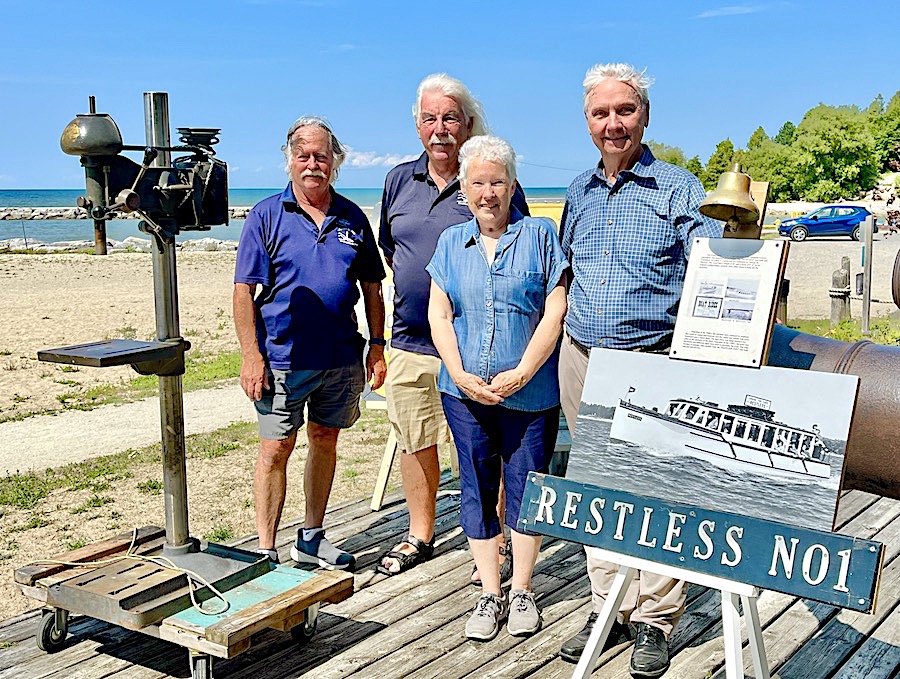
Rather than becoming an artifact behind glass, the workhorse drill is now part of The Boathouse in Southampton, where volunteers carry out the mainland-based work supporting Chantry Island maintenance and other heritage projects.
The tour boats — from RESTLESS to Peerless II — may have changed. But nearly 90 years later, the family’s appreciation for what makes this area unique endures. And now a quality tool that helped build an early chapter of tourism history will keep working — this time preserving the pieces of the past that still give the area its distinctive character.