
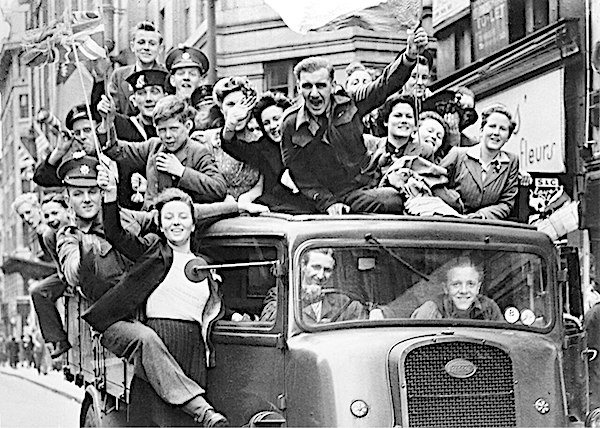
As we head to Victory in Europe (VE) Day, May 8th (1945), local historian G. William (Bill) Streeter of Southampton recently returned from a trip visiting cemeteries and memorials where Canadians and local Bruce County soldiers and airmen are remembered in Britain and France. At each grave site, he left a ‘No Stone Left Alone’ poppy marker from home.
VE Day, May 8th, marks the day that WWII Allies formally accepted an unconditional surrender from the armed forces of Germany and the end of Adolf Hitler’s Third Reich, after six years of the bloodiest conflict in human history.
It is a national holiday in France known as ‘Victoire 1945’ or ‘La fête de la victoire‘ and is also celebrated as a holiday in several other countries in Europe.
Below is an excerpt from Streeter’s visit in England to be followed up with his travel to France.
———————————————————
Runnymede and Brookwood Cemetery
There are two places that honour some of our local boys who all made the supreme sacrifice in WWII.
Runnymede is a large meadow alongside the River Thames, just 20 miles west of Central London. It is most notable for being the location where, in 1215, King John sealed the Magna Carta, establishing common and constitutional law, political representation, and the development of parliament. It is considered to be the birthplace of Democracy.
For larger view, click on image
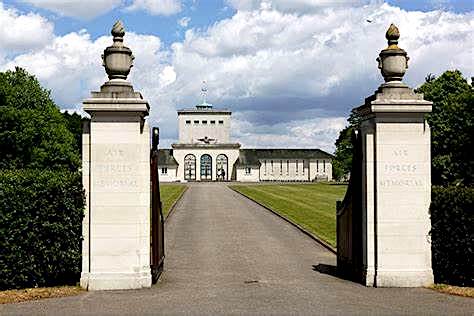
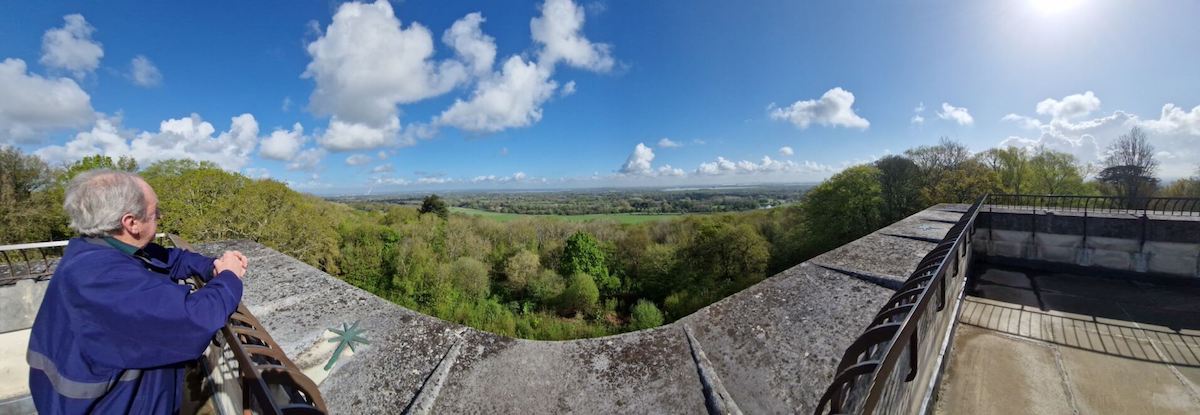
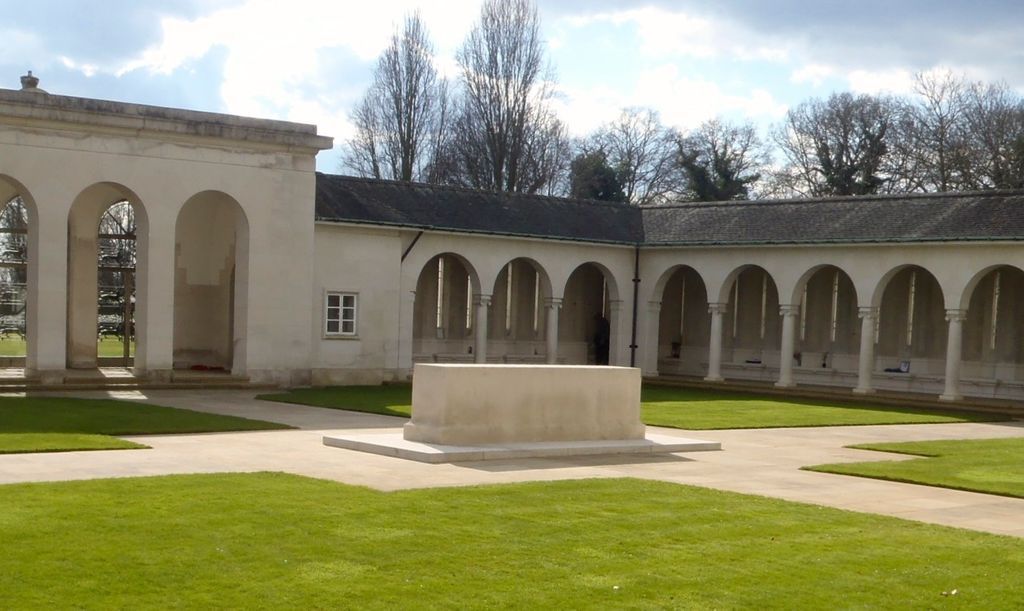
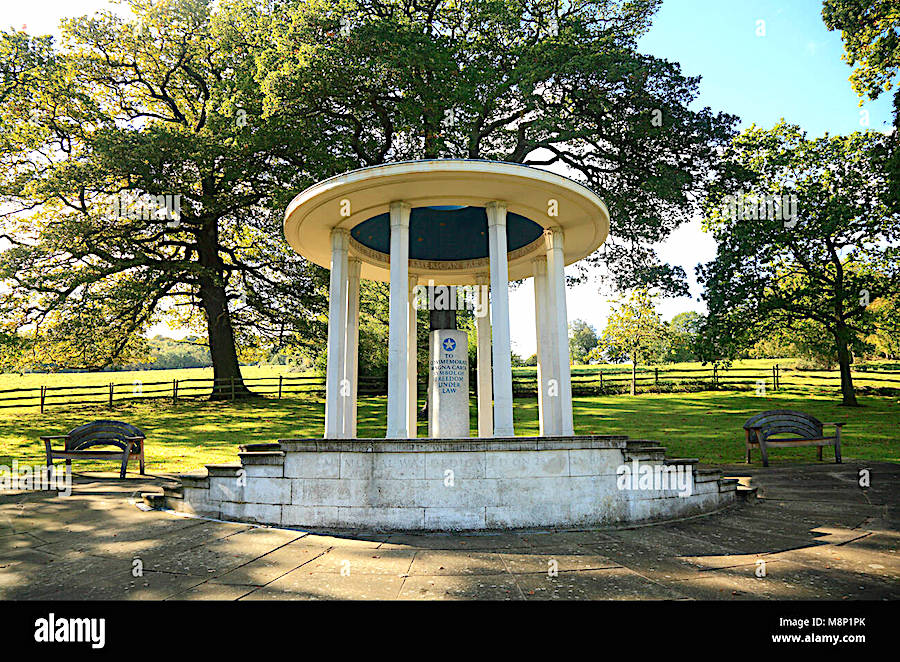
What took me to Runnymede is that it is also where, following WWII, a memorial for members of the Allied Airforce’s, who died on missions are honoured. There were 20,456 who left from Britain and never returned. They remain Missing in Action and Presumed Dead. Their bodies will be somewhere in the Atlantic or buried in mainland Europe, in an unknown location.
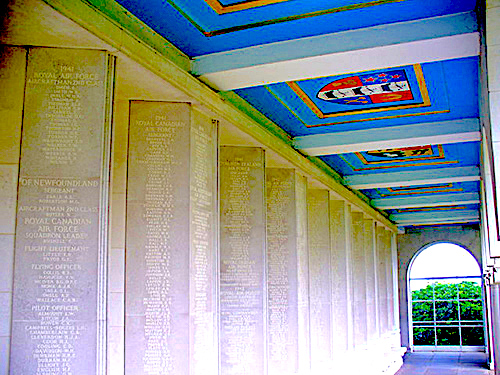
Canadians, honoured there, total 3,031. The memorial has long 12-foot-high panels with their names shown with their squadron and flight comrades who perished with them. There are 15 named from Bruce County, with four from Saugeen Shores communities.
I visited all 15. The panels are very high, with up to 40 names listed on each one of them. I found all of them and read their names aloud.
WE WILL REMEMBER THEM
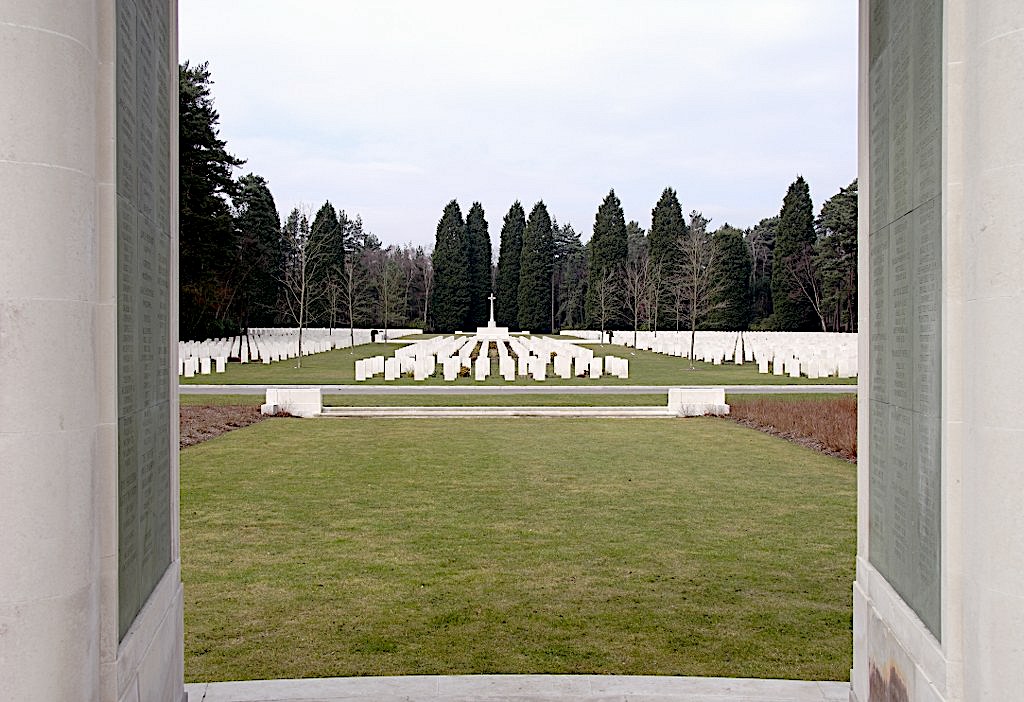 That same day I went four miles to the Brookwood Commonwealth War Graves Commission Military Cemetery. These are men who died in England during WWI and WWII from all over the British Commonwealth. It is one of the largest Commonwealth Cemeteries, with 5,627 buried there. Many were wounded on the European mainland in battle and died in hospitals in England. Others died in England of natural causes. Some who died in England were from accidental causes.
I visited four of our boys’ graves in the Brookwood Military Cemetery.
They were:
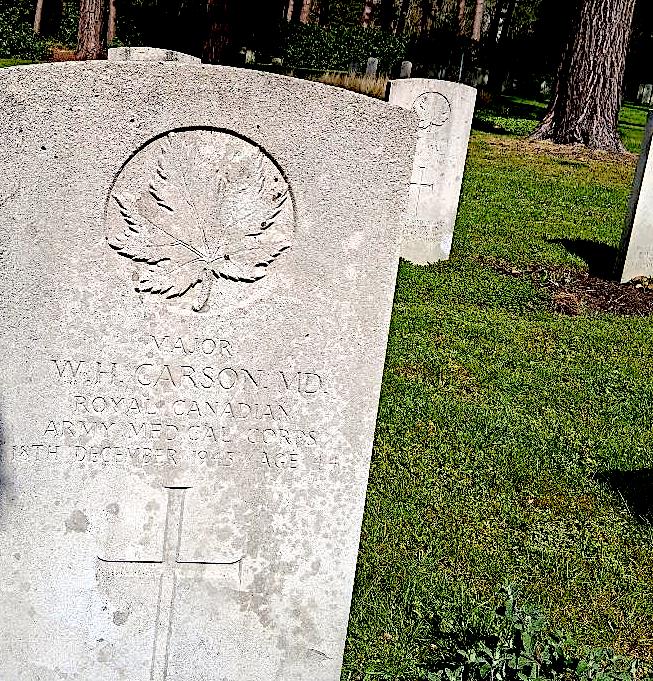
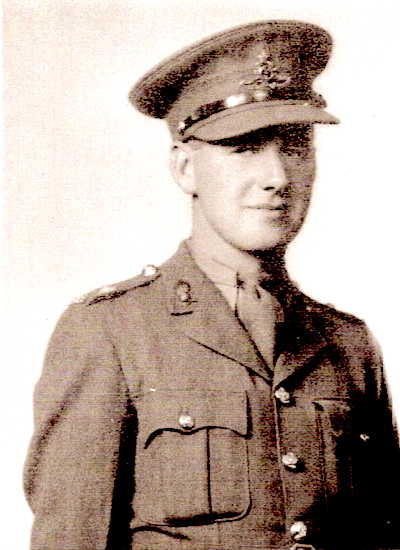
Dr. W. H. (Harry) Carson of Southampton. He arrived in England in late 1941. He served in a military hospital there until December of 1945. One week before he was to come home, he died of a heart attack.
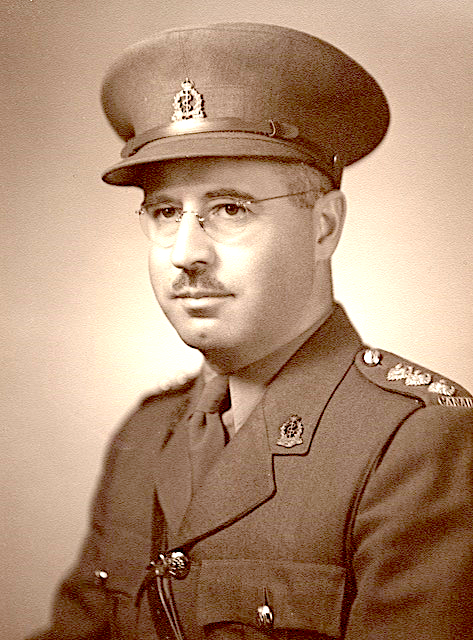
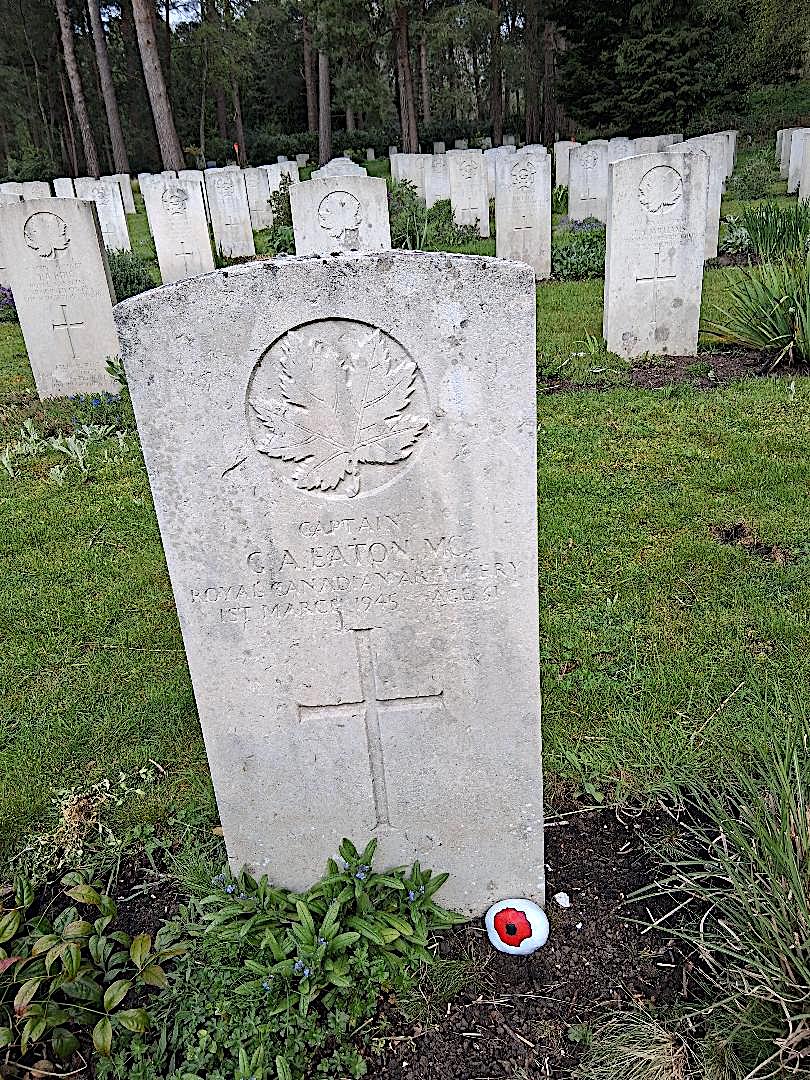
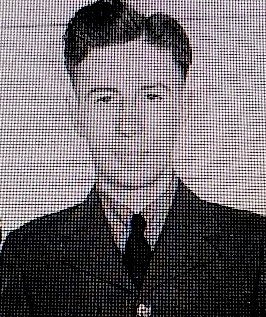
Captain George A. Eaton of Port Elgin. Following being twice wounded in operations in Europe, George transferred to Army Air Operations. He died of multiple injuries in an air crash due to an accidental collision during flying operations whilst on duty at 22:30 on March 1st, 1945.
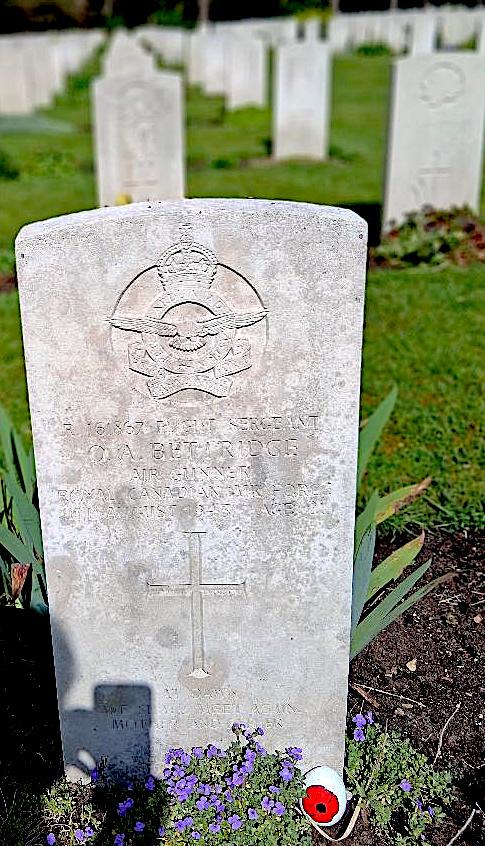
Flight Sergeant Oliver A. Bettridge, born and raised in Southampton. He was training as an Air Gunner on a Lancaster Bomber. While on a long training run on June 4, 1943, the aircraft crashed 2 miles from the aero drome, killing 5 of the 7-man crew.
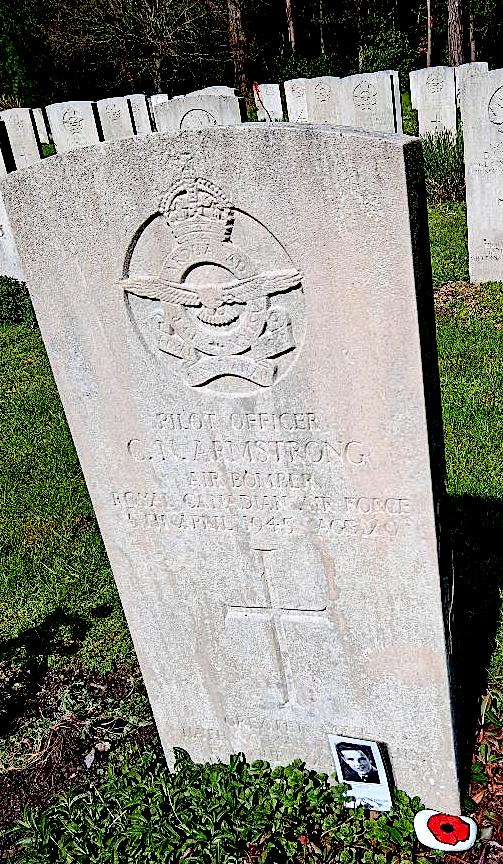
Air Bomber Curwood Neville Armstrong of Hepworth died in a crash following a bombing sortie of Merseburg, Germany. The crew all died in an attempted emergency landing on April 5, 1944.
I left a painted poppy stone on each of their graves.

WE WILL REMEMBER THEM
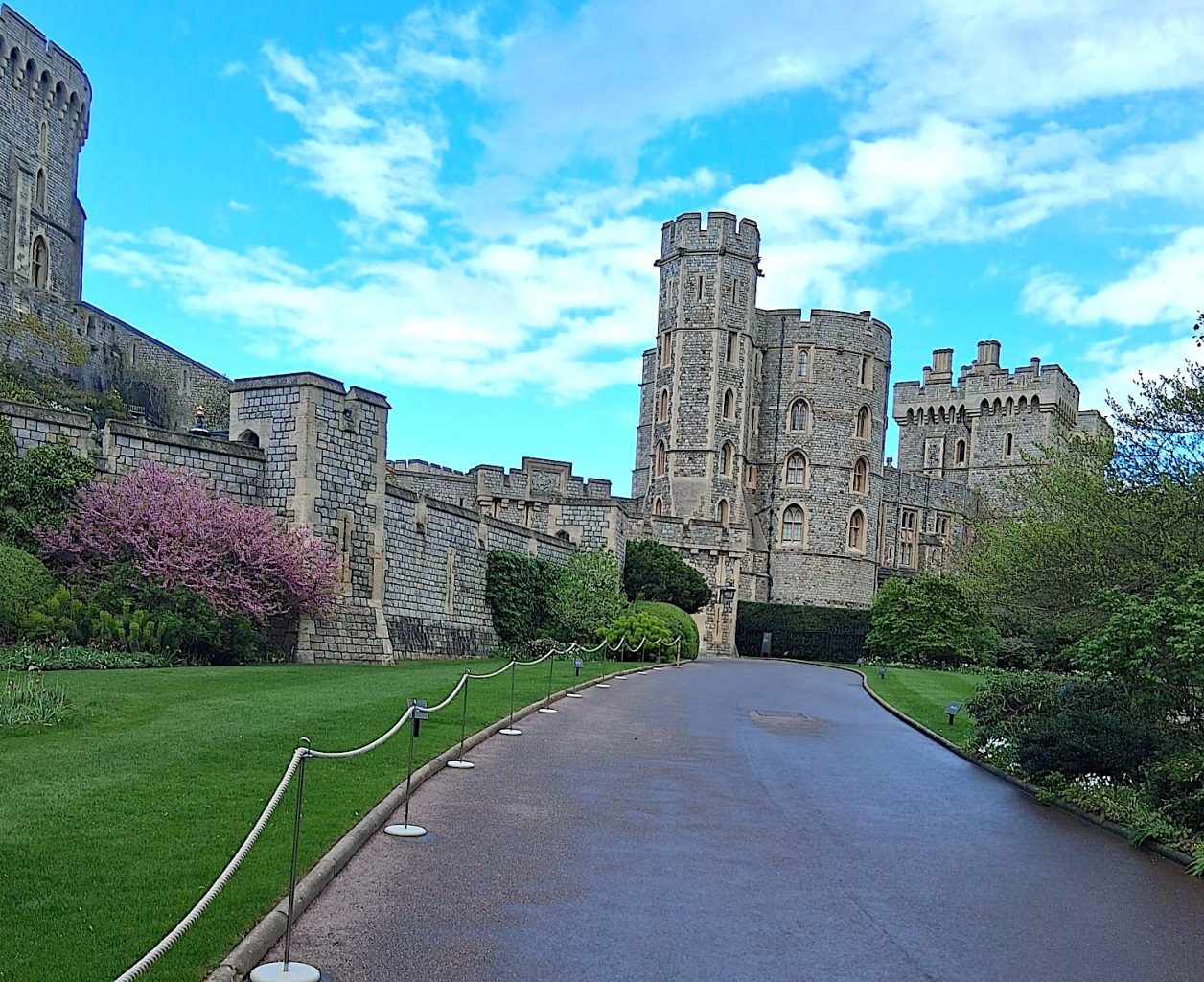
A visit to the majestic Windsor Castle brought an end to a very eventful day.